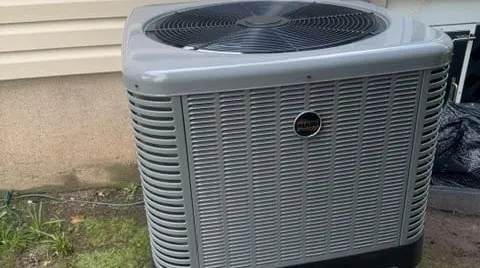
What factors set the cost of a central air conditioner?
The biggest factors are system capacity, efficiency rating, the type of equipment, and the work needed to install it. A larger home or one with more heat gain needs a higher-capacity unit, and higher-capacity equipment costs more.
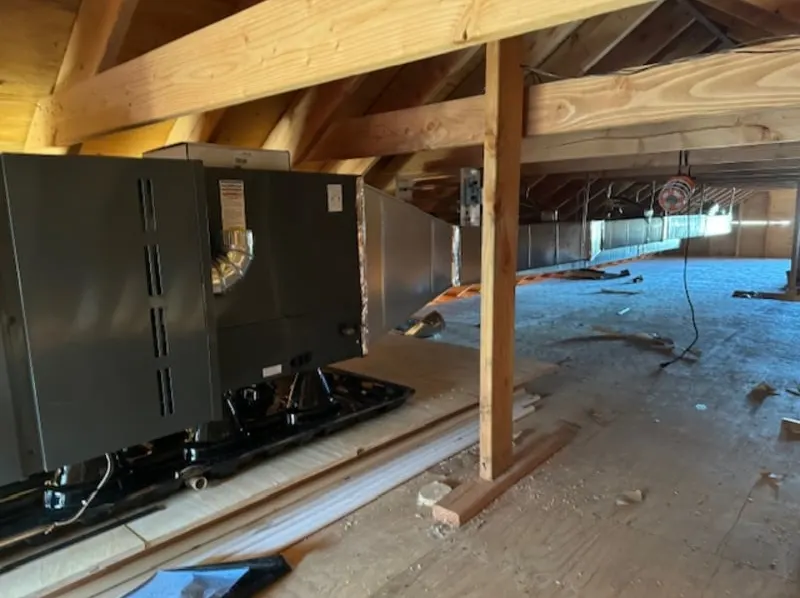
Installation matters as much as the equipment. Running new refrigerant lines, replacing the indoor coil, adding electrical work, setting a new pad, or modifying ducts all add labor and materials. Access also counts: an attic or tight closet air handler takes more time than an open basement.
Does a higher SEER rating cost more?
Yes, higher-efficiency units generally cost more up front, but they use less electricity for the same cooling. SEER is the seasonal efficiency rating; the higher the number, the less energy the unit uses over a typical cooling season.
The trade-off depends on how much you run the system. In a region with a real summer but a cooling season of roughly four to five months, the savings from very high efficiency take longer to repay than in a hot climate. Mid-range efficiency is often the practical middle ground, while variable-speed models add comfort and quieter operation at a higher price.
How much does sizing matter?
Sizing matters a great deal, because a unit that is too big or too small costs you in comfort and wear. An oversized system cools quickly and shuts off before it removes much humidity, leaving the house clammy. An undersized one runs constantly and struggles on the hottest days.
A proper contractor calculates the load for your home, looking at insulation, windows, sun exposure, and layout, rather than just replacing the old unit with the same tonnage. Homes that have had additions or insulation upgrades often need a different size than the original system.
Should I replace just the condenser or the whole system?
Replacing only the outdoor condenser costs less now, but it only makes sense if the indoor coil and air handler are compatible and in good shape. Mismatched indoor and outdoor parts can lose efficiency and cause early failures.
A common rule of thumb is that a system over roughly 12 to 15 years old, or one with a costly repair on an aging compressor, is a candidate for full replacement. A newer system with a single failed part is usually worth repairing. Ask for both options so you can compare.
What can lower the long-term cost of a central AC?
Correct sizing, sealed and insulated ductwork, and regular maintenance do the most to keep the long-term cost down. Leaky ducts can waste a notable share of cooled air, so fixing them can matter as much as upgrading the unit.
Annual tune-ups, clean filters, and a clear outdoor unit help the system last toward the upper end of its typical 12 to 20 year life. Check for utility or manufacturer rebates in your area before you sign, since availability changes.
How to compare central air quotes
Compare quotes line by line: equipment brand and model, tonnage, SEER rating, what is included in labor, ductwork changes, and what happens to the old unit. A lower number can leave out items a higher one includes.
Ask the contractor how they sized the system and whether they inspected the ducts. A good quote follows a visit to your home, not a phone call. If you want a quote or a second opinion, Wayne Refrigeration Air and Heat is open seven days a week from 7am to 8pm.
Questions we hear
Is it cheaper to replace the whole AC system at once?
Often the per-item labor is lower when the outdoor unit, indoor coil, and related parts are done together, and the parts are matched for efficiency. Replacing just one part can be cheaper today but may cost more if the other part fails soon after.
How long does a central air conditioner last?
Most last about 12 to 20 years, depending on the quality of installation, how much they run, and how well they are maintained. Coastal air, dirty coils, and skipped tune-ups can shorten that.
How long does a central AC installation take?
A straightforward replacement of an existing system is often done in one day. Jobs that involve new ductwork, electrical upgrades, or a first-time installation in a home without central air can take two or more days.
When is the best time of year to replace central air?
Fall and winter are often quieter for HVAC contractors, so scheduling can be easier than in the middle of a summer heat wave. Planning ahead lets you compare quotes without the pressure of a failed system in July.
Can I add central air to a house without ducts?
Yes, but the cost and approach change. Options include installing new ducts or using a ductless system, and the right choice depends on the layout of the home and where ducts could realistically be run.