What is included in HVAC system maintenance?
A proper maintenance visit cleans the parts that collect dirt, tests the parts that wear out, and checks the safety devices that keep a furnace or air conditioner from running in an unsafe condition. A quick look and a new filter isn't the same thing.
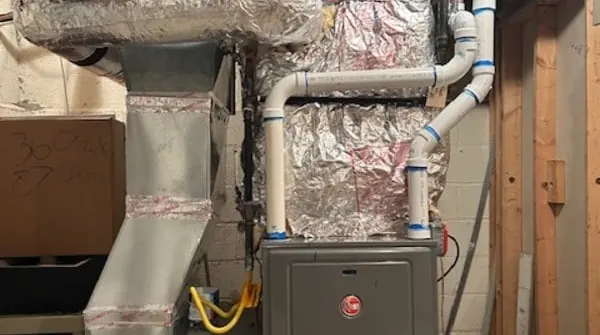
On the heating side, a technician typically checks or replaces the filter, cleans and inspects the burners and flame sensor, checks the igniter, and looks over the heat exchanger for cracks or rust. They also test the limit switches and other safety controls, confirm the flue and venting are drawing properly, check for carbon monoxide, inspect the blower motor and wheel, tighten electrical connections, and make sure the thermostat is calling for heat correctly. High-efficiency furnaces also need their condensate drain and trap cleared.
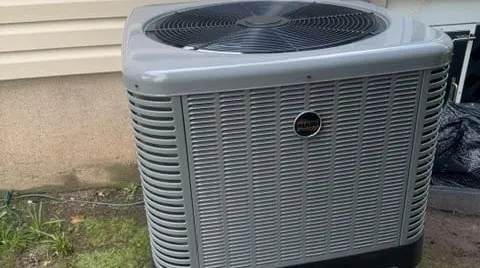
On the cooling side, the list usually includes cleaning or rinsing the outdoor condenser coil, checking the indoor evaporator coil, measuring refrigerant pressures and temperatures, and testing the capacitor and contactor. The condensate line and pan get flushed, and the insulation on the refrigerant lines gets a look. Capacitors and contactors are two of the most common parts to fail on a hot day, and a meter test can often catch a weak one ahead of time.
The point of all this is to spot small problems, like a dirty flame sensor, a weak capacitor, or a clogged drain, before they turn into a no-heat or no-cool call.
How often should an HVAC system be serviced?
Most equipment makers and most technicians recommend professional service once a year for each piece of equipment: the furnace or boiler in the fall, and the air conditioner in the spring. A heat pump does both jobs, so it's usually checked twice a year.
Fall is the time to do the heating side in North Jersey. Furnaces and boilers here sit idle from May to October, and dust, a weak igniter, or a sticky inducer motor often shows up on the first cold night. Spring works the same way for air conditioning, ahead of the humid July and August stretches.
Filters are on a much shorter cycle. A standard 1-inch filter usually needs changing every one to three months. A 4- or 5-inch media filter can last six months to a year. Homes with pets, ongoing renovation dust, or someone with allergies should stay at the short end of those ranges.
HVAC maintenance checklist for homeowners
Some upkeep is safe and worth doing yourself between professional visits. Anything that involves gas, combustion, high-voltage electrical parts, or refrigerant belongs to a licensed technician.
What you can do yourself: check the filter monthly and change it when it looks gray. Keep supply and return vents clear of furniture and rugs. Replace thermostat batteries once a year. Keep two feet of clear space around the outdoor unit, and hose off leaves and cottonwood gently from the outside in. Check that the condensate line is draining and isn't backed up. Test your carbon monoxide and smoke detectors.
In this area, winter adds a few items. If you have a high-efficiency furnace, its white PVC intake and exhaust pipes usually run out the side of the house. After a snowstorm, clear them, because a blocked vent will shut the furnace down. Heat pump outdoor units also need snow and ice kept off and away from the base so they can defrost.
What to leave to a pro: opening the burner compartment, testing gas pressure, checking the heat exchanger, measuring combustion and carbon monoxide, testing capacitors, and anything to do with refrigerant. Federal rules require EPA certification to handle refrigerant, and many of the problems a technician finds can only be confirmed with gauges and meters.
Why HVAC maintenance matters in older North Jersey homes
Many houses in the towns around the Meadowlands and up through Bergen, Essex, and Passaic counties were built in the early and middle 1900s. Their heating and cooling systems were often added or swapped out over the decades. That mix of older ductwork, retrofitted equipment, and tight mechanical spaces is where regular maintenance pays off most.
Two-family homes are common here, and they often have a separate system for each unit, so each one needs its own service. Basements can be damp, which is hard on blower motors, electrical parts, and anything sitting near the floor. Outdoor condensers are often squeezed into narrow side yards or onto rooftops, where they catch leaves and debris and don't get much airflow.
Age matters too. As a general range, gas furnaces last about 15 to 20 years, central air conditioners about 12 to 15, heat pumps about 10 to 15, and well-kept boilers often 20 years or more. Maintenance won't make a system last forever, but it helps it reach the full range instead of falling short. It also gives you a heads-up when a repair stops making sense compared with replacement. One rule of thumb: when a system is past the middle of its expected life and needs a major repair, get a replacement quote alongside the repair quote.
HVAC maintenance plans, agreements, and contracts
A maintenance plan, also called an agreement or contract, is a prepaid or subscription arrangement for scheduled service visits, usually one heating and one cooling visit a year. Some plans add extras like priority scheduling or repair discounts, but what's included varies a lot from company to company.
Before signing one, read what it actually covers. How many visits per year, and for how many systems? Are filters included? Is there a parts or labor discount, and is it a real number or just the word "discount"? Does the plan renew automatically, and how do you cancel?
Whether a plan is worth it comes down to one honest question: will you actually remember to book service every year without it? If the answer is no, a plan that schedules it for you is useful. If you're good about booking a tune-up each fall and spring, one-time visits work just as well.
Also check your equipment warranty paperwork. Many manufacturers require proof of regular professional maintenance to honor a parts warranty, so keep your service records either way.
Getting HVAC maintenance in North Arlington and nearby towns
Wayne Refrigeration Air & Heat is an HVAC company based in North Arlington, NJ. It handles heating and air conditioning repair, HVAC maintenance, system installation and replacement, ductwork, and commercial refrigeration for restaurants and bars across nearby Bergen, Essex, and Passaic County towns, under New Jersey Master HVACR License #19HC00868800.
Whoever you call, a few things make the visit go better. Know the age and type of your equipment if you can; it's usually on the rating plate. Write down anything odd you've noticed, like short cycling, new noises, uneven rooms, or a smell when the heat first comes on. And ask the technician to walk you through what they found, including anything that isn't urgent yet but should be watched.
Booking the heating side early in the fall, before the first real cold snap, usually means more flexible scheduling and less chance of discovering a problem on the coldest night of the year.
Questions we hear
How much does HVAC maintenance cost?
It depends on how many systems you have, what type they are (furnace, boiler, central air, heat pump), whether parts like filters are included, and whether you book a single visit or a yearly plan. A two-family house with two systems will cost more to service than a single furnace. Ask for a quote that lists exactly what's checked and what's included, so you can compare offers fairly.
Is an HVAC maintenance plan worth it?
A plan is worth it if it gets your systems serviced every year when they otherwise wouldn't be, and if its terms are clear. Look at visits per year, systems covered, any real discounts, and how renewal and cancellation work. If you reliably book a tune-up each season on your own, one-time visits can do the same job.
Is it too late in the fall to get a furnace tune-up?
No. Getting the heating checked anytime before or early in the heating season is still worth it, and a mid-winter visit is better than skipping a year. The ideal window is September through November, before the first long stretch of cold weather. Earlier usually means easier scheduling.
Can I do my own HVAC maintenance?
You can and should handle the basics: change filters, keep vents and the outdoor unit clear, check the condensate drain, clear high-efficiency furnace vent pipes after snow, and test your CO detectors. Combustion testing, gas and electrical checks, heat exchanger inspection, and refrigerant work need a licensed technician with the right instruments. Federal law also requires EPA certification to handle refrigerant.
What happens if I skip HVAC maintenance?
Usually nothing dramatic at first. Over time, dirt builds up on burners, sensors, and coils, the system works harder, and parts like igniters, capacitors, and motors tend to fail at the worst time. Skipped maintenance can also make it harder to claim a manufacturer's parts warranty, since many require proof of regular professional service.
How long does an HVAC maintenance visit take?
A typical tune-up takes about one to two hours per system. It can run longer if the equipment is very dirty, hard to reach, or the technician finds something that needs a closer look. Homes with more than one system, like many two-family houses, should plan for each one to be serviced separately.