What is included in an HVAC maintenance visit?
A typical visit covers the furnace or heat source, the air conditioner, the thermostat, and the airflow between them. The technician inspects components, cleans what needs cleaning, and tests that the system starts, runs, and shuts off correctly.
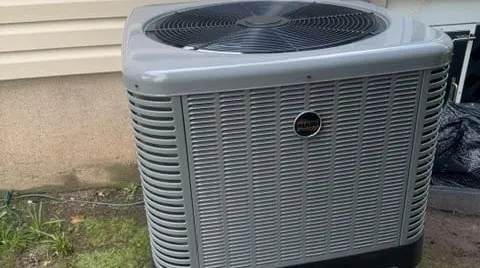
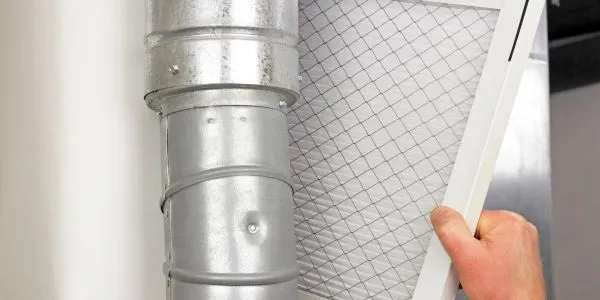
Common tasks include replacing or checking the air filter, cleaning the outdoor condenser coil, checking refrigerant pressure, inspecting the blower motor and belts, tightening electrical connections, clearing the condensate drain, and testing the thermostat. On a furnace, the tech looks at the burners, the heat exchanger, the flue, and safety controls, and checks for carbon monoxide at the unit.
Exact lists vary by company and system type, so ask what is covered before you book.
How often should HVAC be serviced?
Once a year is the usual standard for a system that runs both heat and air conditioning. Twice a year, once before heating season and once before cooling season, is common for older equipment or homes that rely heavily on the system.
In the northeast, where furnaces run hard through winter and air conditioners run through humid summers, equipment gets real use in both seasons. Fall, right about now, is a good time to have the heating side checked before the coldest weeks arrive.
Is HVAC maintenance worth it?
For most homeowners, yes. Clean coils, fresh filters, and tuned components let equipment move air with less strain, which generally helps efficiency and reduces the odds of a breakdown on the coldest or hottest day.
Maintenance will not make an old system last forever, and it cannot fix a part that is already failing. What it does is catch small problems early, like a weak capacitor, a worn blower motor, or a dirty flame sensor, when they are cheaper and easier to deal with.
What can I do myself between service visits?
Check your filter monthly during heavy use and replace it when it looks gray and clogged; most are changed every one to three months. Keep the outdoor unit clear of leaves, snow, and debris, and keep supply and return vents unblocked by furniture or rugs.
Leave anything involving refrigerant, gas, or electrical components to a technician. Cleaning a coil with a garden hose is fine in some cases, but opening panels and handling wiring is not a homeowner job.
When is it repair time instead of maintenance?
If the system short cycles, blows weak or uneven air, makes grinding or banging noises, smells like burning, or runs but does not heat or cool, it needs a repair diagnosis rather than a routine tune-up. A yellow or flickering furnace flame, or any carbon monoxide alarm, means shut the system off and get it looked at right away.
A maintenance visit can also reveal that a system is near the end of its life. Furnaces often last 15 to 20 years and central air conditioners 12 to 17, so if yours is in that range and repair needs are piling up, it is reasonable to compare repair against replacement.
Questions we hear
How long does an HVAC maintenance visit take?
A single system typically takes about one hour, and a combined heating and cooling check can take a bit longer. Time depends on the equipment's condition and how accessible it is.
What is the best time of year for HVAC maintenance?
Fall for the furnace and spring for the air conditioner is the ideal split. If you only do one visit a year, pick the season your home depends on most, though the other system should still be looked at.
Do I need maintenance on a new system?
Yes. New equipment still needs clean filters, clear coils, and periodic inspection to run efficiently. Manufacturers often require regular maintenance to keep their coverage terms valid, so check your paperwork.
Can I skip maintenance if my system works fine?
You can, but problems like dirty coils, loose wiring, or a cracked heat exchanger often show no obvious symptoms until they get serious. A yearly check is a low-cost way to find them early.
Does maintenance apply to commercial refrigeration too?
Yes. Walk-in coolers and commercial refrigeration units need coil cleaning, door gasket checks, and refrigerant and temperature checks on a regular schedule to protect stored product and avoid breakdowns.